

Key Takeaways
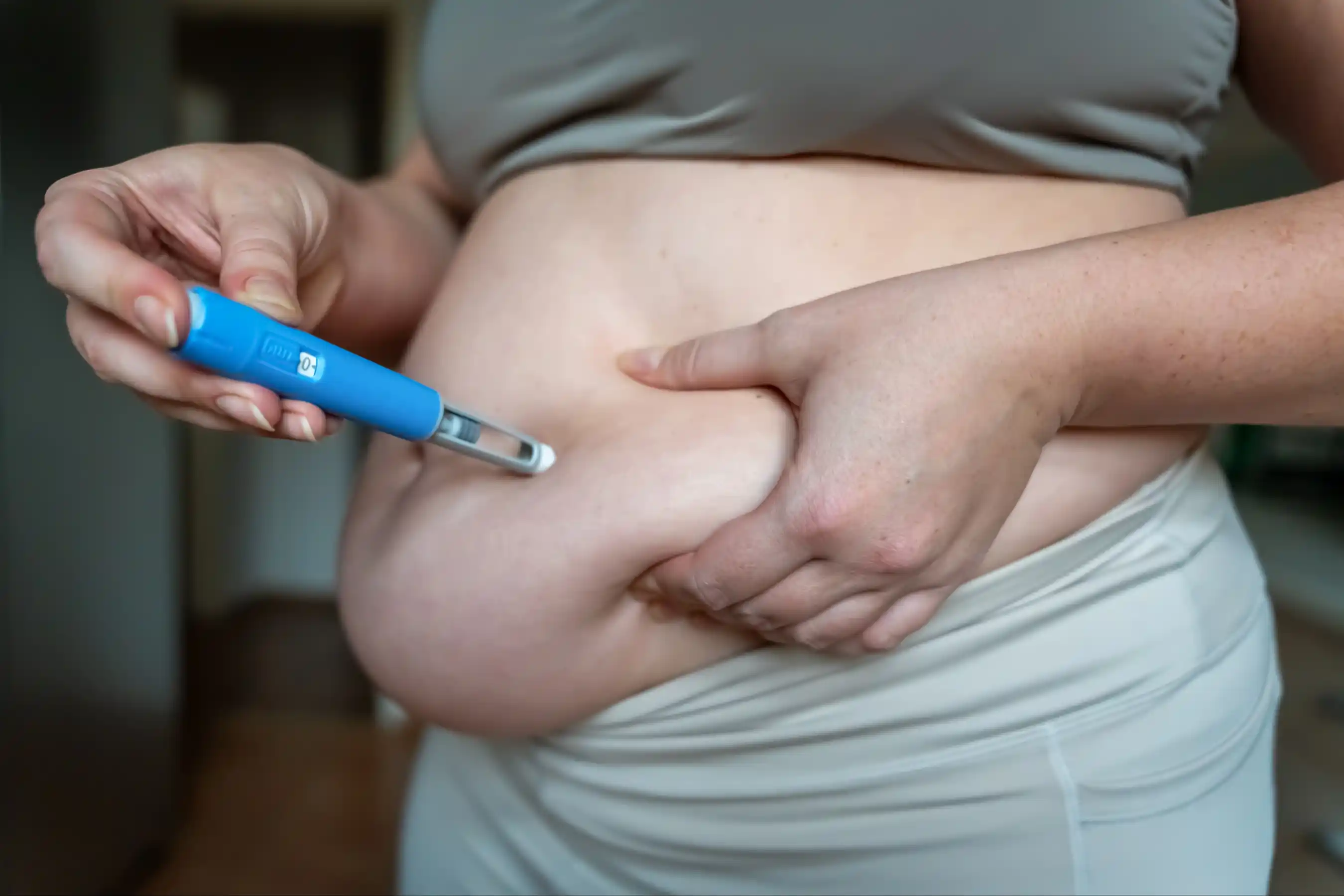
- GLP-1 medications copy a hormone your body already makes, which helps you feel full, slows digestion, and helps control blood sugar.
- These effects can make it easier to eat less without feeling deprived, which often leads to weight loss.
- GLP-1 medications work best as one part of a plan that also includes healthy eating, exercise, and habit changes.
- They are meant for adults who are overweight or have obesity, and a provider needs to decide if they are a safe fit for you.
- Advanced Women's Care of Pittsburgh offers GLP-1 consultations with nurse practitioners who focus only on women's health, so call (724) 941-1866 to schedule, or request an appointment online if you are a new patient.
What Does GLP-1 Stand For?
GLP-1 stands for glucagon-like peptide-1. It is a hormone (a chemical messenger) that your small intestine makes after you eat. According to Cleveland Clinic's overview of GLP-1 agonists, this natural hormone has several jobs:
- It helps release insulin. Insulin is the hormone that moves sugar from your blood into your cells for energy.
- It blocks glucagon. Glucagon is a hormone that raises blood sugar, so blocking it keeps extra sugar out of your bloodstream.
- It slows down your stomach. Food leaves your stomach more slowly, so sugar from your meal enters your blood more gradually.
- It tells your brain you are full. GLP-1 acts on the parts of your brain that control hunger and fullness.
What Is a GLP-1 Receptor Agonist?
You may hear GLP-1 medications called 'GLP-1 receptor agonists.' An agonist is a man-made medicine that attaches to the same spot on a cell as a natural substance and causes the same effect. In other words, the medication copies what your own GLP-1 hormone does, but its effects are stronger and last longer.
These medications are fairly new. The U.S. Food and Drug Administration (FDA) approved the first one in 2005, and researchers are still learning about their uses and benefits.
How Do GLP-1 Medications Work for Weight Loss?
GLP-1 medications don't burn fat directly. Instead, they change how your body responds to food. That makes healthy choices easier to stick with.
How GLP-1 Medications Affect Appetite and Fullness
Because these medications act on the brain's hunger signals, many people feel full sooner and stay full longer. Cleveland Clinic explains that this fullness effect lowers appetite, hunger, and how much food you eat. Over time, eating less often leads to weight loss.
How GLP-1 Medications Support Blood Sugar Regulation
GLP-1 medications also help your pancreas release insulin and slow down digestion. This helps prevent sharp blood sugar spikes after meals. That is why some GLP-1 medications were first used to treat type 2 diabetes. Today, certain GLP-1 medications are also approved by the FDA for long-term weight management.
Why Does GLP-1 Treatment Work Best Alongside Lifestyle Changes?
GLP-1 medications are a tool, not a shortcut. Mayo Clinic's guide to prescription weight-loss drugs notes that these medicines are meant to be only one part of a weight-loss plan. Healthy eating, behavior changes, and exercise are key to making them work well.
Here is how the two approaches compare, based on Mayo Clinic's guidance:
| Lifestyle Changes Alone | GLP-1 Medication Plus Lifestyle Changes | |
|---|---|---|
| How it helps | Builds healthy eating, activity, and sleep habits | Builds the same habits while lowering hunger and helping you feel full |
| Typical results | Helpful, but many people struggle to lose enough weight | Taking a weight-loss medicine for a year can lead to losing 3% to 18% more of total body weight than lifestyle changes alone |
| Who it's for | Everyone | Adults who meet medical criteria and haven't lost enough weight with diet and exercise |
| Long-term success | Depends on keeping habits going | Many people regain some weight after stopping the medicine, so healthy habits still matter |
Even a modest result can make a real difference. Mayo Clinic notes that losing 5% to 10% of your body weight and keeping it off can help lower blood pressure, blood sugar, and triglycerides (a type of fat in your blood).
Who Is a Good Candidate for GLP-1 Weight Loss in Pittsburgh?
Providers often use body mass index (BMI) to help decide who may benefit. BMI is a number based on your height and weight. According to Mayo Clinic, a provider may suggest a weight-loss medicine if you haven't been able to lose weight with diet and exercise and:
- Your BMI is greater than 30, or
- Your BMI is greater than 27, and you have a weight-related health problem, such as diabetes or high blood pressure.
At Advanced Women's Care of Pittsburgh, GLP-1 treatment may also be worth discussing if:
- You have struggled to lose weight despite steady effort
- Your weight is affecting your overall health
- You are noticing weight changes related to menopause and hormonal shifts
- You are managing PCOS (polycystic ovary syndrome), and weight is part of the picture
GLP-1 medications are not for everyone. For example, they should not be used if you are pregnant, breastfeeding, or trying to get pregnant.
What a GLP-1 Consultation Involves at Advanced Women's Care of Pittsburgh
Advanced Women's Care of Pittsburgh offers medical weight loss with GLP-1 medications through its nurse practitioners (NPs). Because the practice focuses only on women's health, the team understands how hormones, life stages, and reproductive health affect weight.
Here is what you can expect:
- A full health review. Your NP will go over your health history, current medications, and any past weight-loss efforts.
- A talk about your goals. You will discuss what you want to achieve and what has made weight loss hard in the past.
- A decision about fit. Your NP will help decide whether a GLP-1 medication is safe and appropriate for you.
- A personal plan. If you are a good candidate, your NP will build a plan that supports your progress over time, with follow-up care along the way.
A Note About Cost
GLP-1 medications are not submitted through insurance at Advanced Women's Care of Pittsburgh because approval rates are low. That means the medication itself is an out-of-pocket cost. Your office visit, however, is submitted to your insurance. You can review the practice's accepted insurance plans or call the office with questions.
Explore Medical Weight Loss in Pittsburgh With a Team That Knows Women's Health
GLP-1 medications copy a natural hormone to curb hunger and support blood sugar control, and they work best alongside healthy habits and expert guidance. Advanced Women's Care of Pittsburgh can help you find out whether this approach fits your body and your life.
Call (724) 941-1866 to schedule a GLP-1 consultation with the nurse practitioners at Advanced Women's Care of Pittsburgh. New patients can also request a GLP-1 consultation online. Visits are available at the McMurray office, the Mt. Lebanon office at St. Clair Health, and the Caste Village office.
Frequently Asked Questions
What are GLP-1 medications?
GLP-1 medications are prescription medicines that copy glucagon-like peptide-1, a hormone your small intestine makes after eating. They help you feel full, slow digestion, and support blood sugar control. Some are approved to treat type 2 diabetes, and some are approved for long-term weight management.
How do GLP-1 medications work?
GLP-1 medications attach to the same receptors as your natural GLP-1 hormone. This signals your brain that you are full, slows how fast your stomach empties, and helps your pancreas release insulin. Together, these effects lower hunger and help many people eat less.
Is GLP-1 medication for weight loss covered by insurance?
At Advanced Women's Care of Pittsburgh, GLP-1 medications are not submitted through insurance because approval rates are low, so the medication is an out-of-pocket cost. Your office visit is submitted to insurance. Call (724) 941-1866 if you have questions about costs before your visit.
Do I still need to diet and exercise while taking a GLP-1 medication?
Yes. GLP-1 medications are designed to work alongside healthy eating, physical activity, and behavior changes. These habits also help you keep weight off if you stop the medication later.
Where can I find GLP-1 weight loss in Pittsburgh?
Advanced Women's Care of Pittsburgh offers GLP-1 consultations with nurse practitioners at its McMurray, Mt. Lebanon, and Caste Village offices. Call (724) 941-1866 to schedule, or request an appointment online if you are a new patient.
